Home / On Campus Programs / Veterinary Assistant
Veterinary Assistant Certificate Program
Classes Start November 4
Train for a Career as a Veterinary Assistant in Our 9-Month Certificate Program
ABHES Accredited
On Campus | Hybrid*
At a Glance
~9 Months
Course length
316
Class hours
164
Lab hours
240
Externship hours
*Hybrid education options not available at all campuses
About the Veterinary Assistant Program
Veterinary assistants play an essential role in helping veterinary practices provide safe, efficient and compassionate animal care. They support veterinarians and veterinary technicians during examinations and surgical procedures, care for hospitalized animals, assist with diagnostic imaging and lab tests, educate pet owners and keep clinical facilities running smoothly.
Through hands-on laboratory instruction, classroom learning and a supervised clinical externship, Pima Medical Institute’s Veterinary Assistant program prepares students with the knowledge, technical skills and professional confidence to become valuable members of today’s veterinary healthcare teams.
Where the Veterinary Assistant Program Can Take You
Certification
This program builds foundational skills in animal care, client communication and clinical support through hands-on training and an externship. Graduates may consider the Approved Veterinary Assistant (AVA) certification through NAVTA.*
Find out more
Entry-level roles
Veterinary assistant, laboratory animal caretaker or animal care/service worker across veterinary clinics
Career advancement
Take on expanded clinical responsibilities as you gain experience, such as a veterinary technician/technologist, specialized vet tech, veterinary practice manager, veterinary educator/trainer, research/lab animal technician and veterinarian (DVM).
*Certification and state registration requirements vary.
Core Skills You’ll Develop
FOUNDATIONS
Animal anatomy, physiology and terminology; animal handling, restraint and behavior recognition; animal nursing care, vital signs monitoring and life stages; emergency care CPR and first aid fundamentals
LABORATORY
Clinical laboratory procedures, pathology and specimen processing
IMAGING
Diagnostic medical imaging and radiography safety
SURGICAL
Surgical assisting, aseptic technique and sterilization protocols
PHARMACOLOGY
Pharmacology basics, dosage calculation and anesthesia principles
ADMINISTRATIVE
Veterinary office procedures and practice management software, appointment scheduling and client intake and inventory management
Program Objective
Our Veterinary Assistant certificate program is designed to prepare you for an entry-level career working alongside veterinarians in approximately nine months. Through a combination of classroom instruction, hands-on lab work and a clinical externship, you will build the animal care skills and administrative knowledge needed to work confidently in a veterinary setting.
The program covers essential topics, including:
- Veterinary anatomy, physiology and terminology
- Clinical laboratory procedures
- Animal nursing and radiography
- Pharmacology
- Aseptic technique and surgical assisting
- Office procedures and client communication
Hybrid Learning Options
All courses are taught on campus to ensure you get the hands-on clinical experience this program requires. For students who need more flexibility in their schedules, hybrid learning options are available at select campuses, combining in-person instruction two days a week with online learning three days a week. Externship hours are completed fully in person.
*Not all programs offer hybrid learning options; Hybrid education options not available at all campuses

Find a Campus Near You
Pima Medical Institute has campuses across the West, each offering hands-on Medical Assistant training built for immediate workforce entry.
 Arizona
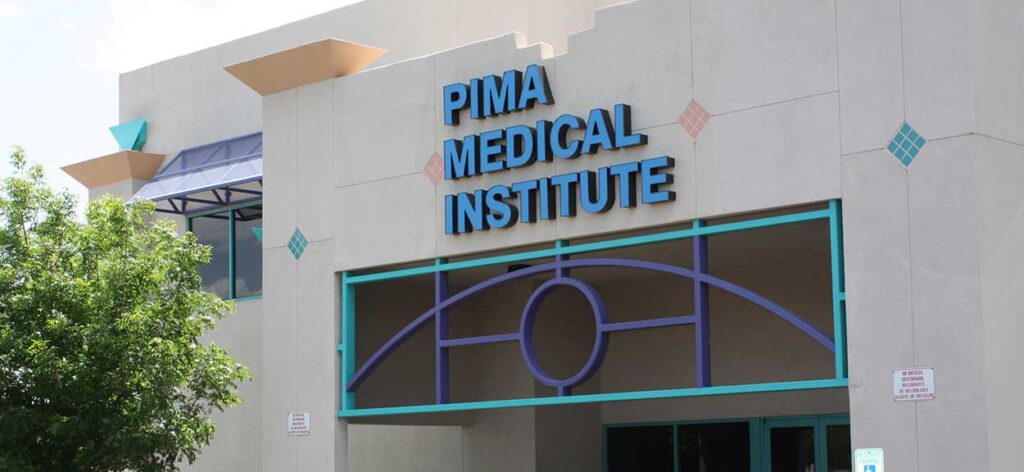
East Valley
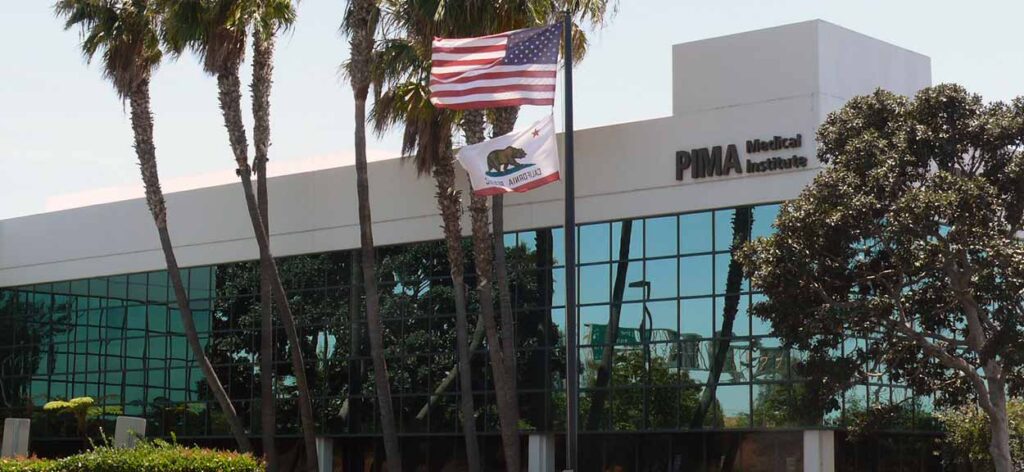
Our East Valley campus serves the suburban Phoenix areas of Mesa, Gilbert and Apache Junction and is located just off…
 California
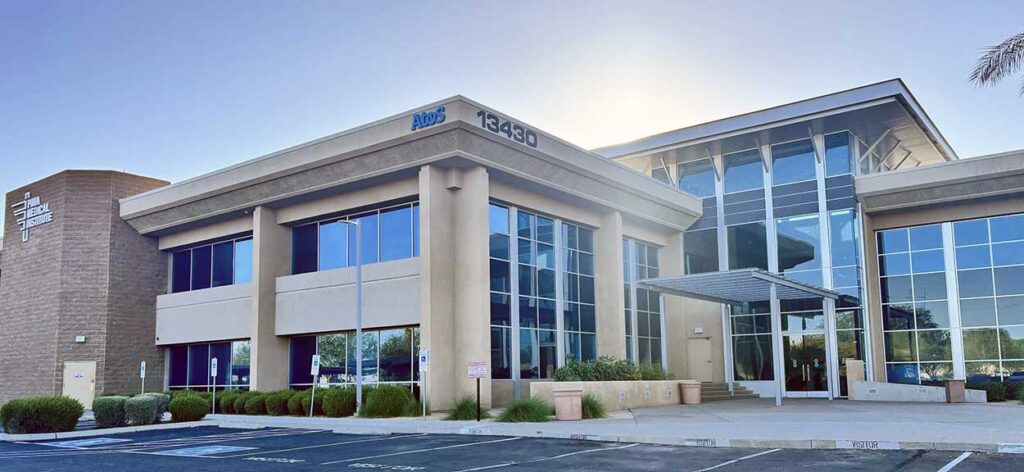
Chula Vista
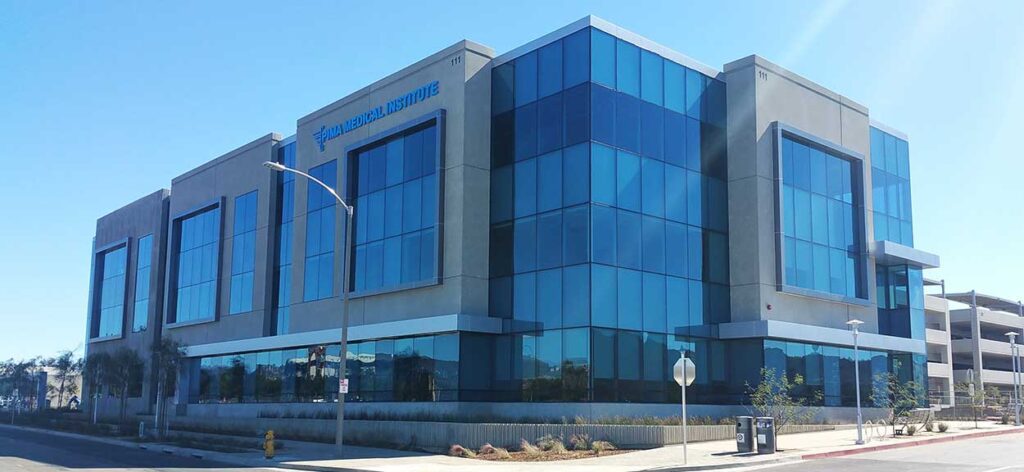
Our Chula Vista campus has been providing hands-on healthcare training to the San Diego community since 1998. Our labs use…
 California
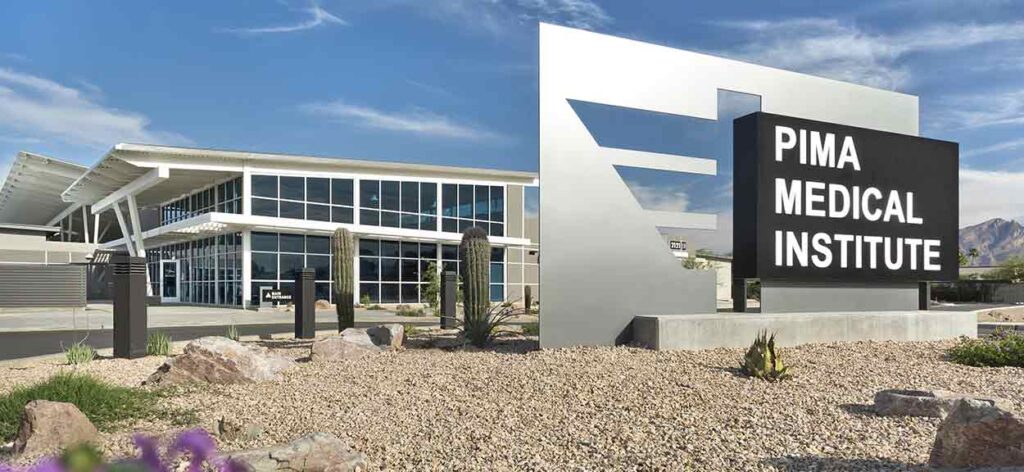
San Marcos
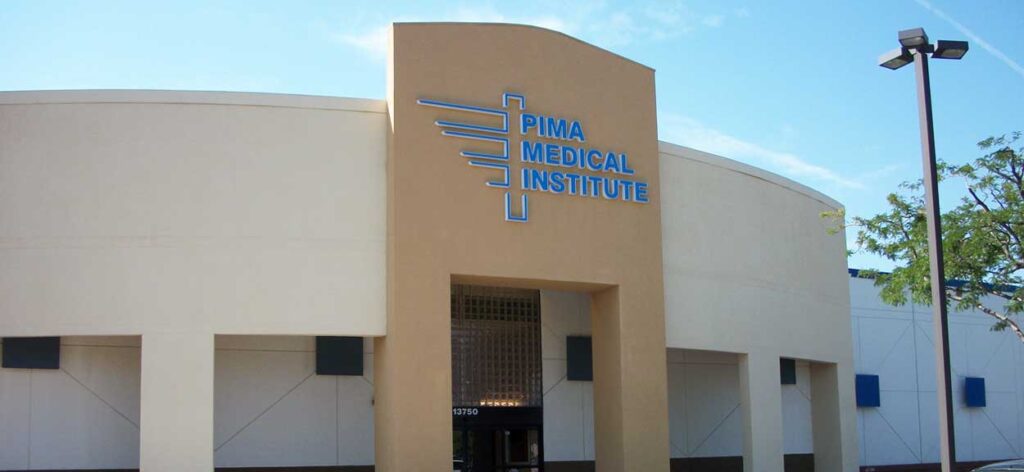
Our San Marcos campus is conveniently located in North City, a multi-use community space offering dining, entertainment, shopping, and outdoor…
 Colorado
Colorado Springs
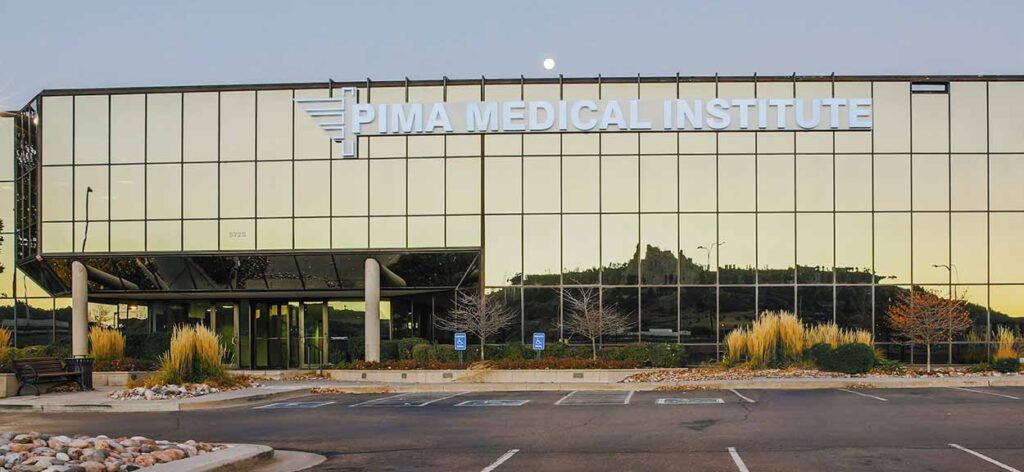
Our Colorado Springs campus, opened in 2002, has been serving the larger Colorado Springs community with advanced dental, medical and…

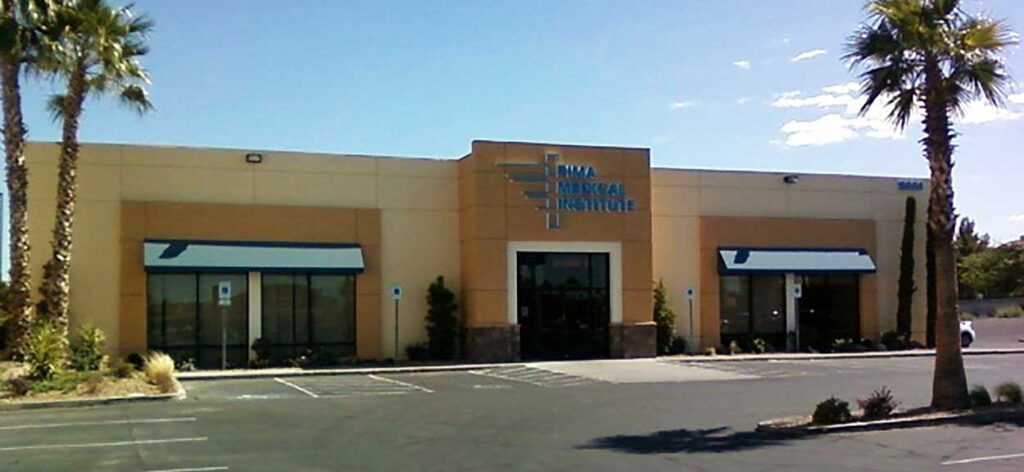
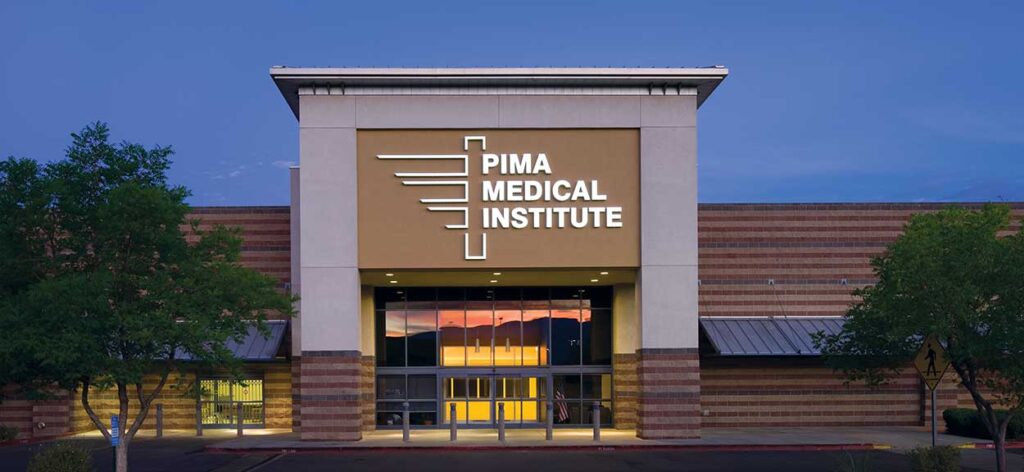 New Mexico
Albuquerque
Our beautiful Albuquerque campus has been serving the community since 1985. Located in the medical hub of New Mexico, real-world…
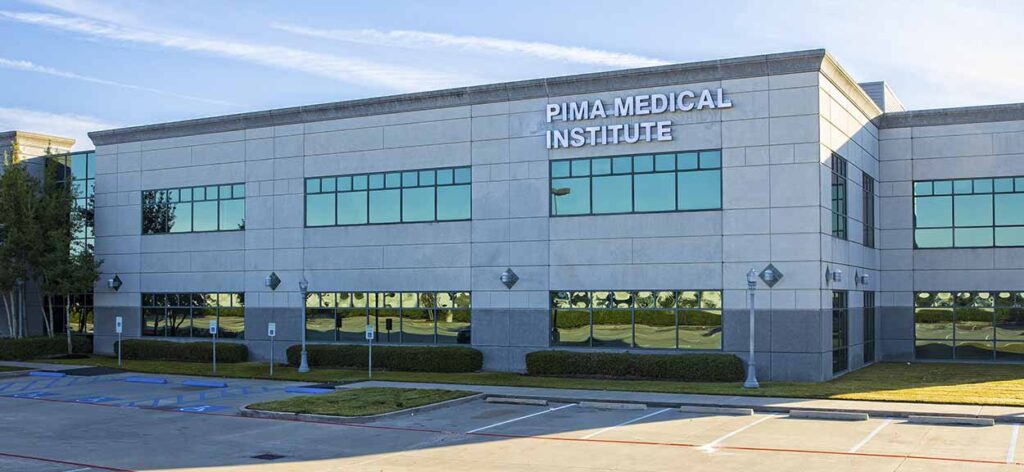
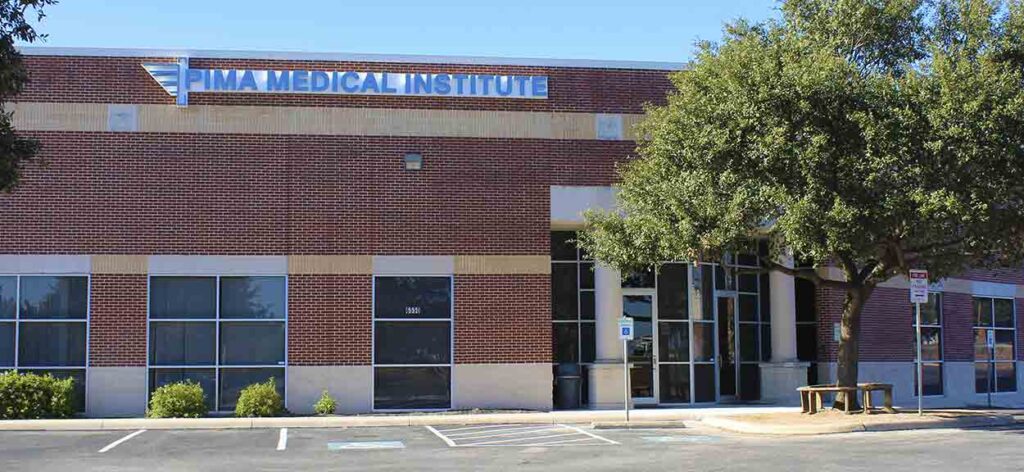 Texas
Texas
San Antonio
Our San Antonio, TX campus is located in Northwest San Antonio, in the heart of the medical center district. We’re…
 Washington
Renton
Our Renton campus, opened in 2004, serves the greater south Seattle and Tacoma communities. Hands-on training and support from experienced…
 Washington
Seattle
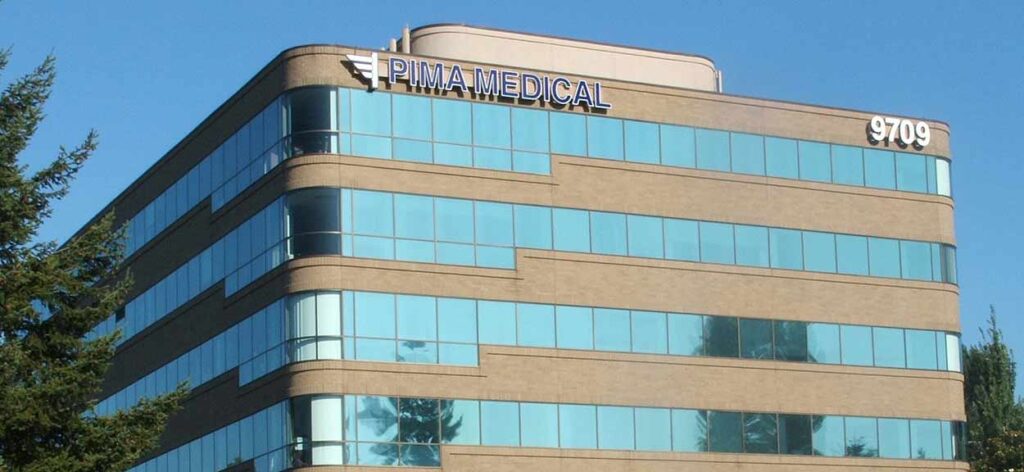
Our Seattle campus, opened in 1989, proudly serves the Seattle community, offering programs in dental and medical assisting, pharmacy technician…
Clinical Externships
At Pima Medical Institute, most programs allow students to work in their field through clinical externships—a chance to be mentored by full-time professionals and interface with real patients.
In addition to real-world experience, clinical externships offer students resume-worthy opportunities, letters of recommendation from supervisors and sometimes job placement directly after graduation.
Continuing Your Veterinary Education
If you’re interested in continuing your education in veterinary medicine, Pima Medical Institute offers a Veterinary Technician associate degree program. Get the skills and training needed to move up in the veterinary field by expanding your knowledge and responsibilities.
Clinical Programs
- Veterinary Technician
- Surgical Technology
Healthcare Leadership Programs
- Associate Degree in Health Care Administration
Bachelor of Science in - Health Care Administration
- Master of Science in Organizational Leadership
Job Outlook
9% Growth — The Bureau of Labor Statistics projects this occupation to grow much faster than average over the next 10 years, with a median pay of $37,320 per year. *
Bureau of Labor Statistics, U.S. Department of Labor, Occupational Outlook Handbook, Veterinary Assistants and Laboratory Animal Caretakers,
https://www.bls.gov/ooh/healthcare/veterinary-assistants-and-laboratory-animal-caretakers.htm (visited June 07, 2026).
What careers can you pursue with a Veterinary Assistant certificate?
The Veterinary Assistant certificate program prepares students to apply for roles including:
- Veterinary assistant
- Laboratory animal caretaker
- Animal care worker
- Animal service worker
- Veterinary clinic receptionist and administrative assistant
These careers may exist in a variety of health care environments, including general small animal practices and companion animal hospitals, emergency and critical care animal hospitals, specialty veterinary centers (surgery, oncology, cardiology, dentistry), large animal and equine veterinary practices, mixed animal clinics, animal shelters, humane societies and rescue organizations, zoological parks and wildlife rehabilitation centers and diagnostic laboratories and research facilities.
Career Services
When you’re a Pima Medical Institute student, you get access to our Career Services team—here for you when you need extra help with finding the right job opportunities, building a resume, strengthening your interview skills or just looking for general guidance.
Student Services
Our team of student service professionals are on hand to see students through the challenges they might face during their academic career. We offer guidance and resources to ultimately help build employable medical professionals.
Application Process
- Submit the form below
A few quick details so we can get to know you before we connect.
- Chat with our team
They’ll ask about your goals, your background, and what’s drawing you to healthcare. From there, they’ll help you find the right program and campus for where you are in life right now.
- Attend your campus tour
Experience Pima Medical in person and picture yourself in a career that matters. We’ll walk you through programs and what to expect.
- We help you complete your application
Our team guides you through every step, including enrollment and financial services, so nothing stands between you and getting started.
Veterinary Assistant Eligibility Requirements
- Possess a high school diploma or recognized equivalency
- Additional requirements may apply by campus

Tuition & financial aid
Federal aid (FAFSA), institutional scholarships and payment plans are available for those who qualify to help make your education affordable.
View program costs, additional disclosures and outcomes for this program (if applicable)→
FAQs About our Veterinary Assistant Certificate Program
What is a Veterinary Assistant?
A veterinary assistant is a trained healthcare professional who works alongside veterinarians and veterinary technicians to care for animals during examinations, diagnostic testing, surgical procedures, and routine office visits.
What does a Veterinary Assistant do?
Veterinary assistants handle animal restraint, prepare exam rooms and surgical instruments, collect lab samples, monitor recovering patients, administer medications as directed, take X-rays, manage clinic inventory, and communicate with pet owners.
Is certification required to become a veterinary assistant?
Requirements vary by state and employer. While many states do not mandate formal licensing for entry-level veterinary assistants, employers strongly prefer candidates who hold a formal certificate and national credentials like NAVTA’s Approved Veterinary Assistant (AVA).
How long is the Veterinary Assistant certificate program?
The Veterinary Assistant certificate program at Pima Medical Institute takes approximately nine months to complete. The program is offered on campus, with hybrid learning options available at select locations for students who need additional scheduling flexibility.*
*Individual completion times may vary.
Do I need any prior animal care experience to enroll?
No prior animal care experience is required to enroll in the Veterinary Assistant certificate program. The program is designed to take students from foundational knowledge through job-ready skills, making it a strong fit for those entering the veterinary field for the first time.
Will I work with real animals during the program, and what types of animals will I learn to work with?
Yes. Hands-on training is a core part of the Veterinary Assistant certificate program at Pima Medical Institute. Students develop practical animal care skills in a lab setting under the guidance of experienced instructors before completing a clinical externship in a real veterinary environment. Coursework covers animal life stages, nutrition, husbandry and nursing across a variety of animals commonly seen in veterinary practice, giving graduates a broad foundation applicable to companion animal clinics, animal hospitals, shelters and other care environments.
What is the difference between a veterinary assistant and a veterinary technician?
A veterinary assistant provides support to veterinarians and veterinary technicians through tasks such as animal handling, patient preparation, surgical assisting and administrative duties. A veterinary technician holds an associate degree and is trained to perform a broader range of clinical procedures, including administering medications, conducting laboratory tests and taking radiographs under a veterinarian’s supervision. Pima Medical offers both programs, and the Veterinary Assistant certificate can serve as a steppingstone toward the Veterinary Technician associate degree for those who want to advance.
What skills do you need to be a successful veterinary assistant?
Veterinary assistants need compassion for animals, strong communication skills, attention to detail and the physical stamina to remain on their feet throughout a shift. The ability to stay calm under pressure is essential, as veterinary environments can include stressful situations. Pima Medical’s program builds the clinical and administrative foundation students need to enter the field with confidence.
What are the admissions requirements for Pima Medical's Veterinary Assistant certificate program?
Pima Medical Institute generally requires applicants to hold a high school diploma or GED. The Veterinary Assistant program may have additional requirements specific to the program and campus. Requirements can vary by location and state, so we recommend visiting our Admissions Requirements page or calling (800) 477-7462 to speak with an admissions advisor directly about your situation.
What is the externship component of the program?
The Veterinary Assistant program includes a clinical externship that places students in a working veterinary setting alongside full-time professionals. The externship gives students the opportunity to apply their classroom and lab training in a real-world environment, build a professional resume, obtain letters of recommendation and, in some cases, connect with potential employers before graduation.
Do I need to be certified or licensed to work as a veterinary assistant after graduation?
Licensure and certification are not required to obtain entry-level employment as a veterinary assistant. Graduates of the Pima Medical Veterinary Assistant certificate program are prepared to enter the workforce upon completing the program.
Where can I work after completing the Veterinary Assistant certificate program?
Graduates are prepared for entry-level positions in a range of animal care settings, including veterinary clinics, animal hospitals, animal shelters, zoos and research laboratories. The career outlook for veterinary assistants is strong, with the U.S. Bureau of Labor Statistics projecting employment growth much faster than the average for all occupations.
Program Outline
Learn more about the courses in this program.
Career Prep Sequence
Professional Sequence I
Professional Sequence II
Professional Sequence III
Externship
Nobody Says It Better Than Our Students
Read our reviews from students and alumni to find out for yourself…
Pima Medical Blog

What Does a Veterinary Assistant Career Really Look Like?
Hear From Berenice Lucero, Veterinary Assistant Graduate, Pima Medical Institute On this episode of Voices of Vital Care, host Nohelani Graf sits down with Berenice…
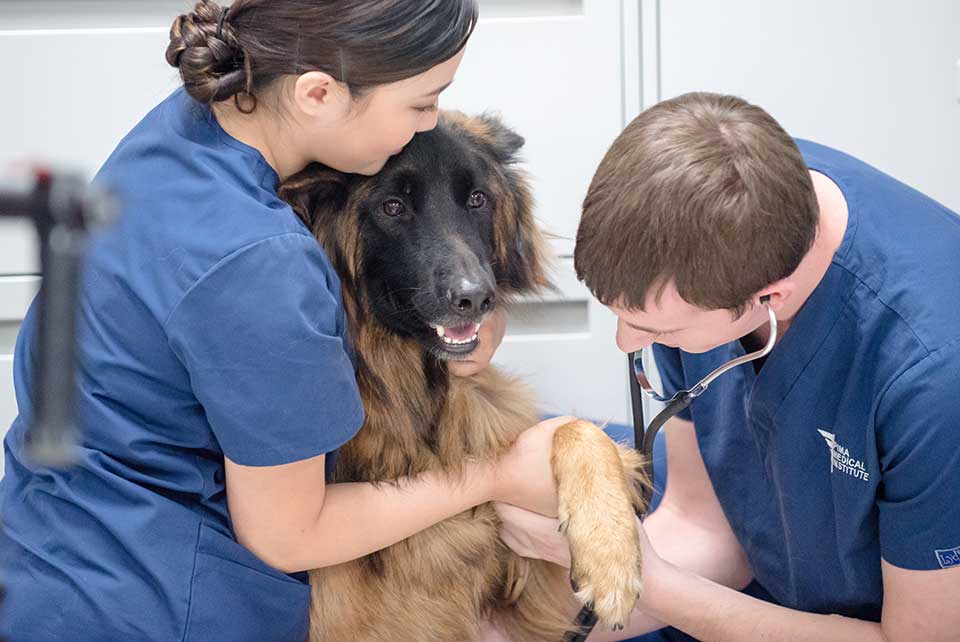
What are the Veterinary Assistant Courses in the Program?
The Veterinary Assistant certificate program at Pima Medical Institute takes approximately nine months to complete. The program curriculum provides students with the education they need…
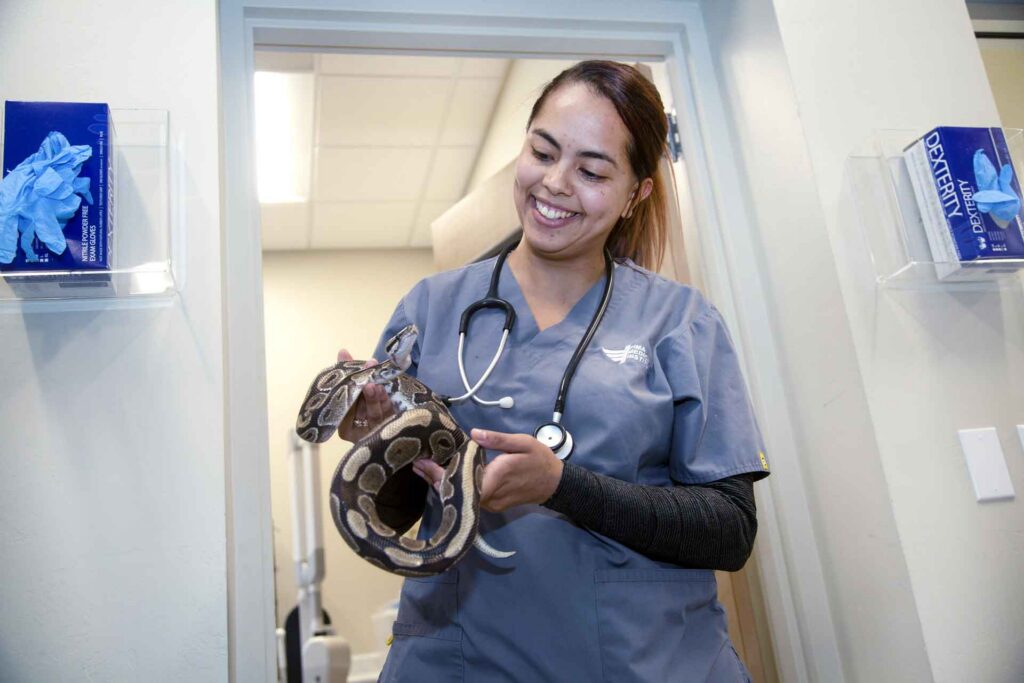
Veterinary Assistant Training in Washington: What Pima Medical Institute Offers
There’s a reason so many people in Washington end up rethinking their careers. Maybe you’ve spent years behind a desk, a register or a screen,…
Accreditations and Disclosures
State Licensure Determination Disclosure
The Veterinary Assistant program is offered via on-ground and hybrid delivery methods. The program is available to residents of Arizona, California, Colorado, Montana, Nevada, New Mexico, Texas, and Washington. This program does not require licensure or certification to obtain employment in the field. While there may be online components, completion of this program requires on-ground attendance at the campus at which the student is enrolled and cannot be completed solely via distance education. Prospective students and enrolled students should understand that moving out of the state in which they enrolled may adversely impact a student’s ability to complete the program. If a student is planning to relocate outside of their state of enrollment he or she is required to discuss this with the Student Services Coordinator and/or Program Director.
In compliance with 34 CFR 668.43 Pima Medical Institute has made a reasonable effort to determine graduate eligibility for licensure in all states for programs designed and advertised as leading to licensure. The document below lists Pima Medical Institute programs and states where the curriculum meets licensure requirements, states where the curriculum does not meet licensure requirements, and states in which Pima Medical Institute has been unable to determine if the curriculum meets state licensure requirements. All consumers should be advised that due to the frequent changes to state statutes, rules, and regulations Pima Medical Institute cannot guarantee licensure based on the lists below.
State Licensure Determination Disclosure – Certificate Programs
Start Your Future as a Veterinary Assistant
Request more information below and our team will be in touch with you as soon as possible. Or give us a call at (800) 477-7462 to speak with someone right away.